
The Bottom Line: An electrifying debut that deftly combines the twists of a first-rate conspiracy thriller with the moral complexity of vigilante justice.
opens with Virginia State Police detective Theo Barnes watching a sting operation snap shut around State Senator Royce Andrews, who has arrived at a seedy motel expecting to have sex with a fourteen-year-old girl. Andrews is arrested and the scandal erupts into the media.
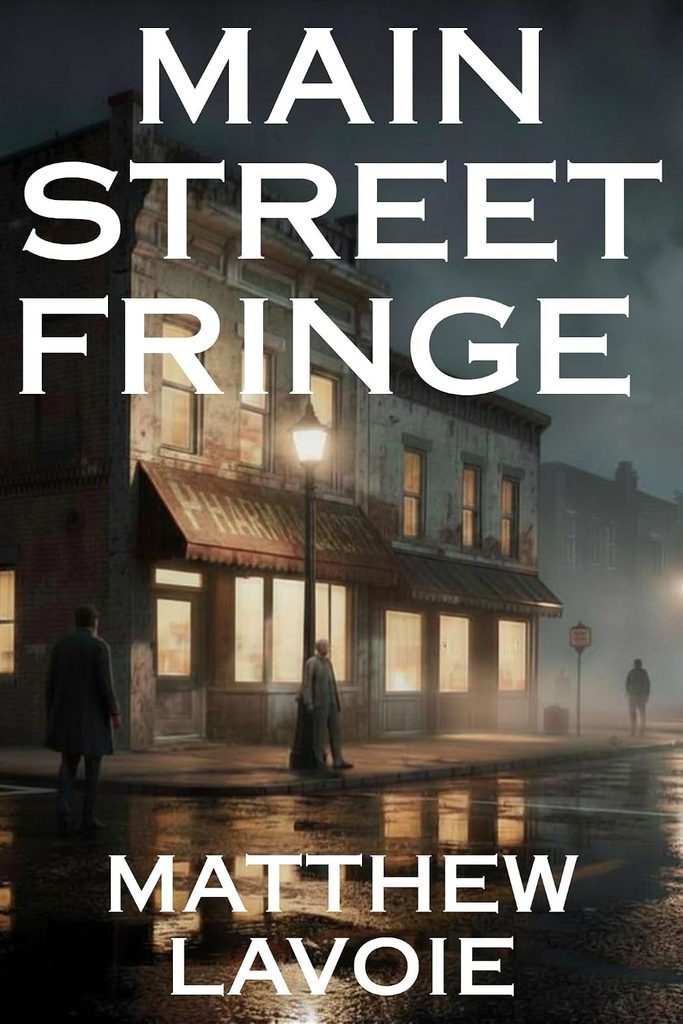
Author Matthew Lavoie then delivers a stunning reversal. Rather than watching a powerful politician fall, Barnes watches the machinery around him turn against the investigation. His warrants are questioned, Andrews is released, Barnes is publicly suspended, and his reputation is shredded in front of the same cameras that should have been covering his success.
Just when the plot trajectory seems clear, Lavoie throws another curveball, as Andrews secretly leaves home confinement, disappears and later turns up murdered. Suddenly, Barnes’s professional humiliation becomes a much darker mystery about what the senator knew and why powerful people seemed so determined to keep it buried. The disgraced detective soon begins his own unauthorized investigation.
Lavoie builds the novel through three initially separate lines of suspense and gradually forces them together. While Barnes begins digging into the political pressure that destroyed him, we meet Frank Derby, an ex-con already involved in a conspiracy-driven extremist network whose secretive leader calls himself Janus. Meanwhile, FBI supervisor Dante Davenport is trying to identify the group behind a wave of connected attacks emerging from conspiracy culture.
The book’s most clever turn comes when the extremists increasingly see Barnes as one of their own, a good cop supposedly crushed by a corrupt system. In one particularly effective sequence, Barnes attends a political rally and intervenes in a confrontation, only to discover that his notoriety makes him an instant celebrity among the people he is investigating. Naturally, Barnes must earn the trust of men who expect action rather than rhetoric, while frightened witnesses and hostile officials complicate his secret investigation into Andrews’s secrets and the political forces behind his own downfall. Every move toward one truth makes the other investigation more dangerous.
Within all the narrative firepower, a sophisticated exploration of grievance is the novel’s north star. Nearly every major character believes something important has been taken from him, ranging from dignity to a career. Lavoie uses those grievances to discover what people permit themselves to become. Barnes enters the story as essentially a good cop with an abrasive temperament and a fierce belief in doing the job correctly. Once others turn him into a political martyr, however, he has to decide how much of their version of Theo Barnes he is willing to inhabit. That tension gives the undercover story its real force.
Among a strong cast, Derby is especially strong as an ex-con trying to rebuild his life. He is intimidating, resentful, funny and capable of genuine loyalty, making him difficult to fit neatly into any moral category. So too is Joanna Coatesworth, an ambitious young reporter who gives Barnes’s investigation another avenue forward.
Although Main Street Fringe carries a strong revenge thriller component, it never settles into a simple story of Barnes hunting the people who wronged him. The book keeps widening as political secrets, acts of sabotage and organized extremism begin pressing against one another until Barnes’s desire for vindication becomes inseparable from a much larger threat. That expansion occasionally asks the reader to keep track of a substantial cast and several moving pieces, but it also gives Lavoie room for well-prepared reversals. Readers can look forward to a delicious late-book reveal that changes the meaning of earlier encounters without feeling disconnected from what came before.
What ultimately makes Main Street Fringe so compelling is the possibility that Barnes’s enemies are not the only people being transformed by grievance. The result is an unexpectedly deep conspiracy thriller with a hefty psychological edge.