As our 2026 BestThrillers.com Book Marketing Trends Report reinforced, book reviews, book awards and tried-and-true channels such as email marketing remain among the most important tools for selling and discovering books.
But book discovery is also becoming increasingly social.
And somewhat ironically, one of the biggest beneficiaries of increasingly digital book marketing may be the decidedly old-school hardcover book.
Spend a few minutes browsing Instagram and you’ll see what we mean. In a typical month, more than 120 million Instagram posts carried the #Bookstagram hashtag, while #bookrecs has reached 3.3 million posts and the more genre-specific #thrillerbooks is racking up another 1.6 million.
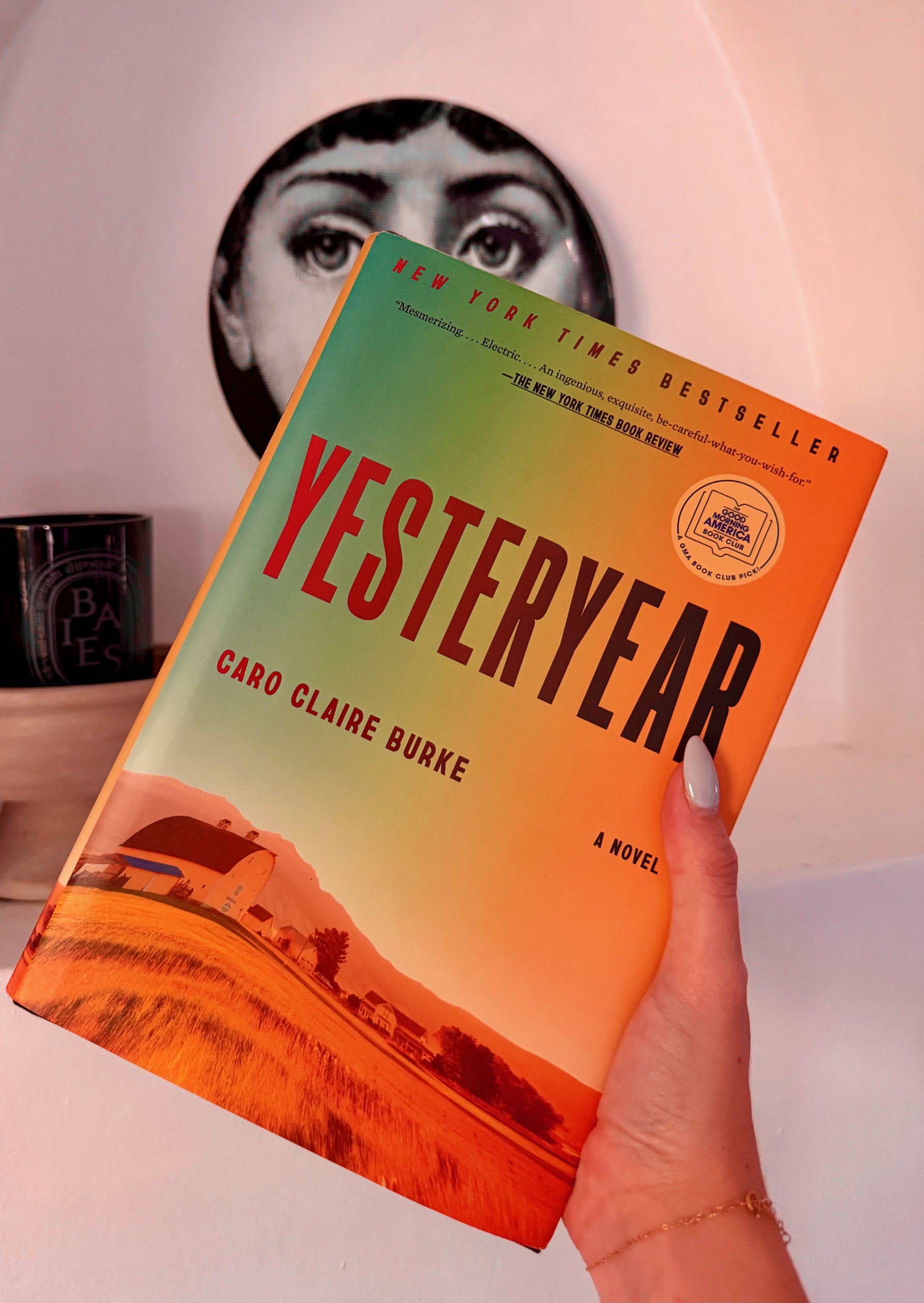
Scroll through those feeds and you’ll find readers posing with, stacking and unboxing physical copies of current releases.
Right now that includes the newly released hardcover edition of Freida McFadden’s The Witch and Caro Claire Burke’s Yesteryear, a hardcover bestseller that has been difficult to miss across Bookstagram this year.
The Hardcover Contradiction
That makes one finding in our 2026 survey especially interesting. Among the authors, publishers and publicists we surveyed, 97.7% publish eBooks, 95.3% publish softcover and 55.8% publish audiobooks. But just 34.9% publish hardcover.
There are obvious reasons for that. Hardcovers cost more to manufacture and ship, command higher retail prices and can introduce inventory and distribution costs that don’t exist with eBooks or print-on-demand paperbacks. For many authors and smaller publishers, the economics simply don’t make sense.
But social media introduces another consideration: what if the value of a physical book isn’t limited to the number of copies it sells?
Why Hardcovers Figure Big in Book Marketing Plans
Book marketing has always been visual to some extent. Covers matter because books need to stand out on store shelves. What’s changed is the size of the shelf.
Today a hardcover book can appear in an Instagram Reel, a TikTok video, an unboxing, a bookshelf tour, a monthly reading wrap-up or a photograph shared with thousands of other readers.
Publishers have noticed. Publishers Weekly has documented the boom in special and collector’s editions, including sprayed edges, illustrated endpapers, foil treatments and other features designed to make books feel collectible. Publishing executives interviewed by the magazine explicitly connected that growth to BookTok and other visual social media, where readers show off the books they buy.
The phenomenon is still spreading. This year, Publishers Weekly reported that sprayed edges and other premium treatments associated with adult fantasy, YA and BookTok collector culture are moving into middle-grade books as publishers look for new ways to make physical editions feel worth coveting.
TikTok remains an enormous part of the same ecosystem. In June, the platform said #BookTok had surpassed 80 million global posts, with recommendations ranging from romance and fantasy to mysteries and thrillers.
In other words, digital media hasn’t made the physical book invisible. It has given readers millions of new places to show one off.
Does That Make Hardcover Worth Another Look?
Maybe. A hardcover edition isn’t required to participate in Bookstagram, BookTok or any other visual platform, but they do look better than paperback or digital.
Also, increasingly sophisticated AI tools can now place a book cover onto a convincing hardcover without producing a physical copy at all. However, most of the book influencers want a free copy in exchange for a post, and they want that free copy to be a gorgeous hardcover edition.
The current environment may give authors and publishers another factor to consider when doing the math.
Instead of asking only: How many hardcover copies can we sell? there may occasionally be value in also asking: What else could those copies do?
A limited hardcover run sent to reviewers, influencers, book clubs or particularly enthusiastic readers could potentially create photography, video, unboxings and other social content that reaches people who never buy the hardcover itself.
That’s a very different calculation from traditional format economics.
Hardcover Books Have Become Content
Perhaps that’s the larger shift.
A physical book is still something someone purchases and reads. But in today’s social reading ecosystem, it can also become the subject of a photograph, the centerpiece of a video, an object in an unboxing, part of someone’s bookshelf identity and a prop through which one reader recommends a story to another.
That doesn’t make eBooks any less important. In fact, our 2026 BestThrillers.com survey found that more than four out of five respondents considered eBooks the format they trusted most to generate revenue.
For an industry that has spent two decades preparing for an increasingly digital future, there’s some irony in that.
The future of book discovery may be increasingly digital. But one of its most photogenic marketing assets remains a book you can actually hold.